Thermodynamics, Airflow & Blueprint Engineering for Mining Facilities
We train site engineers, facility founders, and electrical contractors in physical airflow dynamics, negative pressure plenum construction, acoustic silencing, and 3-phase power distribution for high-density ASIC deployments.
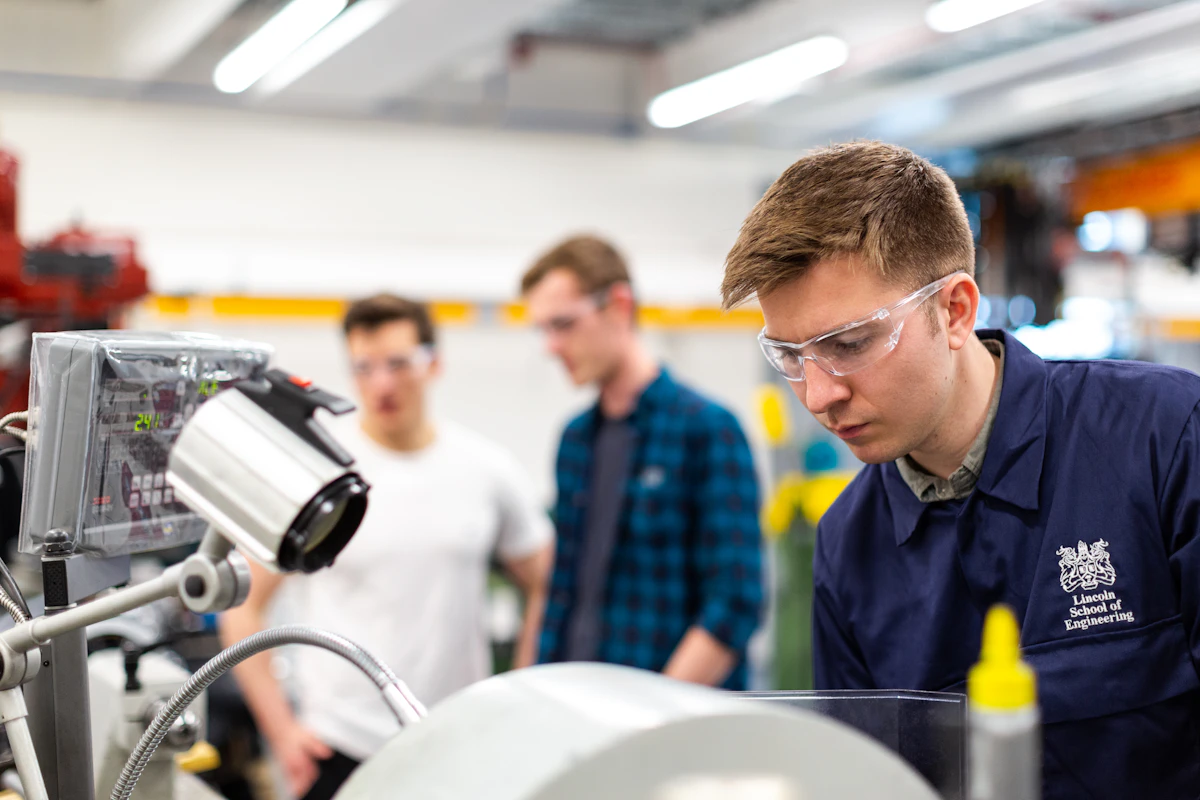
Industrial Ventilation & Airflow Dynamics Masterclass
A rigorous 3-day laboratory intensive conducted inside our active thermal simulation wind tunnel.
Applied Engineering Curriculum
Practical workshops for electrical planning, acoustic compliance, immersion fluidics, and field diagnostics.

Farm Blueprint & Electrical Layout
Step-by-step engineering clinic on step-down transformers, switchgear, busway vs cable tray routing, PDU phase balancing, and rack footprint optimization.
Course Details & Syllabus →
Acoustic Silencing & Noise Control
Learn field measurement methods for decibel attenuation, resonant frequency absorption, acoustic louver fabrication, and perimeter noise barrier construction.
Course Details & Syllabus →
Dielectric Immersion & Thermal Conversion
Deep dive into synthetic hydrocarbon and fluorochemical dielectric fluid management, dry cooler sizing, brazed plate heat exchangers, and ASIC board preparation.
Course Details & Syllabus →
Airflow Audit & Diagnostic Practicum
Field inspection training utilizing thermal imaging anemometers, differential pressure manometers, smoke pens, and hot air recirculation remediation strategies.
Course Details & Syllabus →
Gimpo Airflow & Thermal Lab
Explore our dedicated 480 m³ aerodynamic testing facility in Gimpo-si equipped with smoke visualization wands, variable VFD exhaust fans, and acoustic test cells.
Explore Testing Rig →Why Practical Aerodynamics Outweigh Software Models
Computational Fluid Dynamics (CFD) simulations on a computer screen frequently overlook real-world turbulence, such as cable bundle drag, uneven dust accumulation on intake filter media, and wind shear against exhaust wall louvers.
At Future Layer Core, every theoretical calculation is immediately validated on physical test benches using smoke visualization, manometer pressure probes, and live heat dissipation rigs.
Zero Synthetic Clichés
Concrete math, real sheet metal ducting, and certified electrical schematics.
Direct Lab Practice
Hands-on tool use with Fluke thermal sensors, vane anemometers, and acoustic baffles.
Typical Workshop Cohort Routine
Practitioner Case Reviews
Direct reports from site managers and electrical engineers who applied our airflow calculations.
Our 1.4MW warehouse in Taebaek suffered recurring thermal throttling every July when intake air exceeded 29°C. After attending the 3-day ventilation masterclass at Gimpo, we completely rebuilt our negative pressure exhaust plenum based on the CFM equations taught by Sora. We replaced flat sheet dividers with 45-degree diverter vanes and increased our intake louver surface area by 35%. Chip operating temperatures dropped by 8.4°C across all 420 Antminer S19 units without adding a single refrigerated chiller.
We faced an official noise abatement notice from the local district office due to high-frequency fan whine reaching 72 dBA at our perimeter boundary line. The acoustic training provided exact rockwool density specs and cut blueprints for dual-stage exhaust baffles. Building the silencer boxes took our crew nearly twice as long as the workshop syllabus suggested because raw galvanized sheet metal fabrication requires specialized metalworking tools we had to source locally. However, once installed, boundary sound levels measured 51 dBA, safely below the 55 dBA municipal limit.
The 4-week blueprint practicum prevented what would have been a catastrophic transformer sizing mistake on our 3MW substation expansion. The instructors walked through harmonic K-factor derating specifically caused by switch-mode power supplies in mining hardware. We restructured our 3-phase neutral bus sizing and adjusted our PDU breakers to eliminate zero-sequence harmonic heating before pouring the concrete pads.
Field Notes & Calculation Guides
In-depth technical papers on CFM formulas, acoustic frequencies, and electrical transformer K-factors.
Calculating CFM Airflow Requirements for High-Density ASIC Mining Deployments
A rigorous mathematical walkthrough of volumetric airflow equations (CFM), converting kilowatt electrical dissipation into sensible heat loads, and derating for elevation and summer wet-bulb temperatures.
Read Full Analysis →
Negative Pressure vs Forced Induction in Mining Facility Enclosure Design
Why exhaust-driven negative pressure plenums outperform forced intake fans in air distribution uniformity, static pressure management, and structural longevity.
Read Full Analysis →
Acoustic Attenuation Engineering for Sub-55 dBA ISO Mining Containers
Designing split-flow rockwool silencer boxes, perforated acoustic baffles, and exhaust sound traps without inducing thermal backpressure throttling.
Read Full Analysis →Reserve Your Engineering Cohort Seat in Gimpo
Upcoming 2026 masterclass schedules are open for registration. Contact our admissions team to review prerequisite guidelines, syllabus materials, and accommodation recommendations.